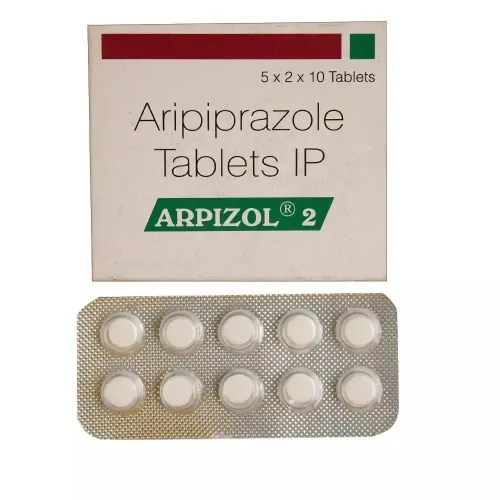
Aripiprazole 2 mg is a low-strength dose of an atypical antipsychotic medication. It is most commonly prescribed as an add-on (adjunctive) treatment for major depressive disorder when standard antidepressants are not enough. Doctors also use a 2 mg dose as a starting or pediatric maintenance amount for conditions like bipolar disorder, autism-related irritability, schizophrenia, and Tourette's disorder.Common Conditions Treated at Low DosesMajor Depressive Disorder: Added to an antidepressant to help boost mood and response.Autism Spectrum Disorder: Used in children and teens to manage irritability, meltdowns, or aggression.Bipolar Disorder & Schizophrenia: Frequently used as a starting point in children, adolescents, or sensitive adults before a doctor gradually increases the strength.Tourette's Disorder: Helps reduce tics in pediatric patients.How It WorksIt modifies the actions of dopamine and serotonin, chemical messengers in the brain that control mood, behavior, and thoughts.Lower doses like 2 mg tend to balance these chemicals rather than fully block them, which helps with mood-boosting adjunct therapy.You can review comprehensive safety and background details on the DailyMed Aripiprazole Reference or check the Cleveland Clinic Guide on Abilify and Aripiprazole.

Nagpur
08048067779
+919673614585
 Chat with us
 Chat with us